
Call us now :08045816548
 Send Inquiry
 Send Inquiry
Softening Point Apparatus
Price 6500 INR/ Piece
MOQ : 1 Piece
Softening Point Apparatus Specification
- Capacity
- 2000 Kg/hr
- Equipment Type
- Softening Point Apparatus
- Power Supply
- Electric
- Usage
- cube testing
- Application
- Determining bitumen softening point
- Machine Weight
- 150 Kilograms (kg)
- Max. Temperature
- ~250C
- Stirring Mechanism
- Rotating rod
- Phase
- Three
- Ring Material
- Brass
- Ball Material
- Steel
- Glass Beaker Volume
- 600 ml approx.
- Condition
- New
- Heating Medium
- Glycerin or Water
- Material
- MS
- Support Stand
- Coated iron
- Color
- Blue
- Driven Type
- Electric
- Type
- Electric or Manual
- Model Name/Number
- YLE Ring and Ball
Softening Point Apparatus Trade Information
- Minimum Order Quantity
- 1 Piece
- Supply Ability
- 15 Pieces Per Day
- Delivery Time
- 1 Days
About Softening Point Apparatus
The Softening Point Apparatus is required to determine the softening point of viscoelastic bitumens, asphalt and coal tar pitch. It can conduct the two sample tests simultaneously and has an optimal compliance with standard test actions. It has softening point ring, ball-centering guide rings, ball apparatus, heat-resistant beaker, brass ring holder suspension and a high-quality shelf. Softening Point Apparatus is utilized to control the consistency of bitumen. Its utilization is needed to attain a particular degree of softening.
Precision Testing for Bitumen Quality
The YLE Ring and Ball Softening Point Apparatus provides accurate determination of bitumen softening points, a crucial quality parameter in construction materials. Its electric-driven mechanism ensures quick heating and consistent results, supporting both manual and automated testing protocols. Durable construction and essential safety features allow for repeated, reliable use in demanding laboratory settings.
Versatile and User-Friendly Operation
This apparatus offers flexibility with electric or manual operation modes, catering to diverse testing requirements. The intuitive rotating rod stirring mechanism ensures uniform temperature distribution during heating, while the 600 ml glass beaker and sturdy coated iron stand streamline the process. The equipment is suited for cube testing as well as various laboratory analyses.
FAQ's of Softening Point Apparatus:
Q: How does the YLE Ring and Ball Softening Point Apparatus determine the softening point of bitumen?
A: This apparatus uses brass rings and steel balls placed in a glass beaker filled with water or glycerin as a heating medium. As the temperature rises (up to approximately 250C), the bitumen sample softens and allows the steel ball to fall a specified distance, indicating the softening point.Q: What is the recommended process for conducting a softening point test with this apparatus?
A: Begin by assembling the apparatus with the coated iron stand, fill the 600 ml beaker with the chosen heating medium, and insert the prepared bitumen sample rings and balls. The sample is gradually heated-either electrically or manually-while the stirring mechanism ensures uniform temperature, and the point at which the ball drops is recorded as the softening point.Q: When should you use water or glycerin as the heating medium?
A: Water is typically used for tests where temperatures do not exceed 80C, while glycerin is suitable for higher temperature tests up to 250C. The choice depends on the expected softening point of the bitumen sample being analyzed.Q: Where is this softening point apparatus commonly used?
A: This apparatus is widely used in laboratory environments in India and elsewhere, especially by traders and professionals involved in cube testing and quality assessment of bitumen for road construction and paving projects.Q: What are the main benefits of using this apparatus for softening point determination?
A: The YLE Ring and Ball Apparatus provides accurate, standardized results essential for assessing bitumen quality, ensures compliance with industry specifications, and helps in selecting appropriate materials for construction. Its durable MS construction and high capacity make it ideal for routine lab testing.Q: Can the apparatus be used for both manual and electric operations?
A: Yes, the apparatus offers both electric-driven heating for efficiency and manual operation for situations where power supply may be limited, making it adaptable to different laboratory setups.Q: How does the rotating rod stirring mechanism enhance the test process?
A: The rotating rod stirring mechanism promotes even temperature distribution within the beaker, preventing local overheating and ensuring precise and consistent softening point results for every test run.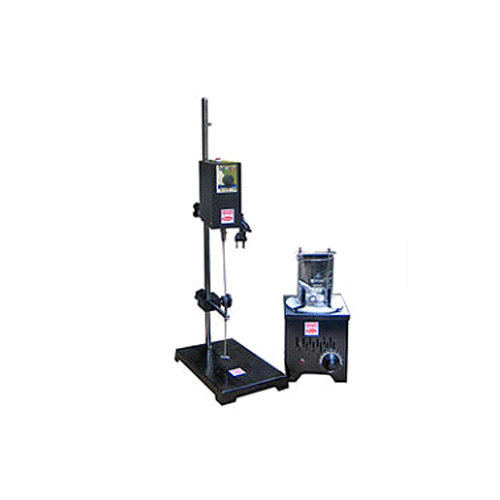
Tell us about your requirement

Price:
Quantity
Select Unit
- 50
- 100
- 200
- 250
- 500
- 1000+
Additional detail
Mobile number
Email

More Products in Bitumen Testing Equipments Category

Flash Point Apparatus
Minimum Order Quantity : 1 Piece
Power Supply : 230V AC, 50 Hz
Usage : cube testing
Machine Weight : 150 Kilograms (kg)
Capacity : 2000 Kg/hr
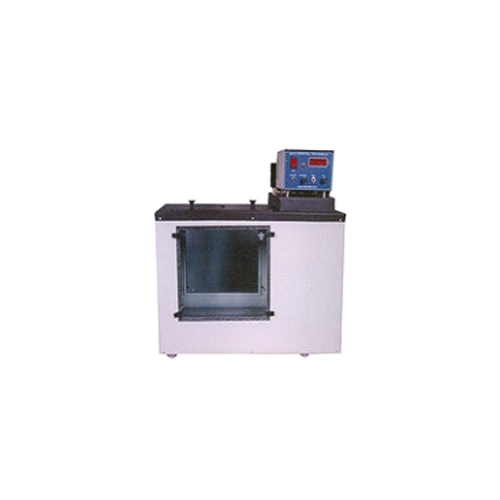
Constant Temperature Water Bath
Price 64000 INR / Piece
Minimum Order Quantity : 1 Piece
Power Supply : Electric
Usage : cube testing
Machine Weight : 150 Kilograms (kg)
Capacity : 2000 Kg/hr

Universal Automatic Compaction Apparatus
Price 25000 INR / Piece
Minimum Order Quantity : 1 Piece
Power Supply : 240 to 440 V
Usage : cube testing
Machine Weight : 150 Kilograms (kg)
Capacity : 2000 Kg/hr


 Send Inquiry
Our Products
- Compression Testing Machine
- Cube Mould
- Survey Instrument
- Civil Lab Equipment
- Bitumen Asphalt Testing Equipment
- Laboratory Testing Equipment
- Measuring Equipment
- Construction Machinery
- Abrasion Testing Machine
- Test Rig Machine
- Laboratory Planetary Mixer
- Cement & Concrete Lab
- Total Station
- Aluminum Levelling Staves
- Dolly Core Cutter Hammer
- Levelling Instruments
- Strength Of Material Lab
- Scientific Lab Items
- Digital Concrete Test Hammer
- Bitumen Extractor
- Range Pole and Tripods
- Theodolite
- Concrete Mixers
- Soil & Sand Testing Equipments
- Construction Equipment
- Aggregate Testing Equipment
- General Laboratory Testing Equipments
- Needle Vibrator
- B.O.D. Incubators
- Bitumen Testing Equipments
- Temperature Bath
- Magnetic Compass
- RCC Groove Cutter Machine
- Hand Compression Testing Machine
- Heating Oven
- Tray Dryer
- Petrol Kerosene Vibrator
- Vertical Autoclave
- Centrifuge Extractor
- Sand Pouring Cylinder
- Humidity Oven
- Scientific Instruments
- Muffle Furnace
- Survey Measuring Chain
- Length Gauge
- Le Chatelier Mould
- Mild Steel Grouting Pump
- Auto Level
- Hot Air Ovens
- Universal Testing Machine
- Test Apparatus
- Cube Testing Machine
- Beam Mould
- Vibrating Machine
- Bar Bending Machines
- Coating Thickness Gauge
- Automatic Level Instrument


No. 6, Yash Complex, B/h. Navjivan Hotel, Sanand Circle, S-G Highway, Sarkhej,Ahmedabad - 382210, Gujarat, India

Mr Manish Patel
(Proprietor)
Mobile :08045816548
 Send Inquiry
 Send SMS
Developed and Managed by Infocom Network Private Limited.
 English
 Spanish
 French
 German
 Italian
 Chinese (Simplified)
 Japanese
 Korean
 Arabic
 Portuguese